
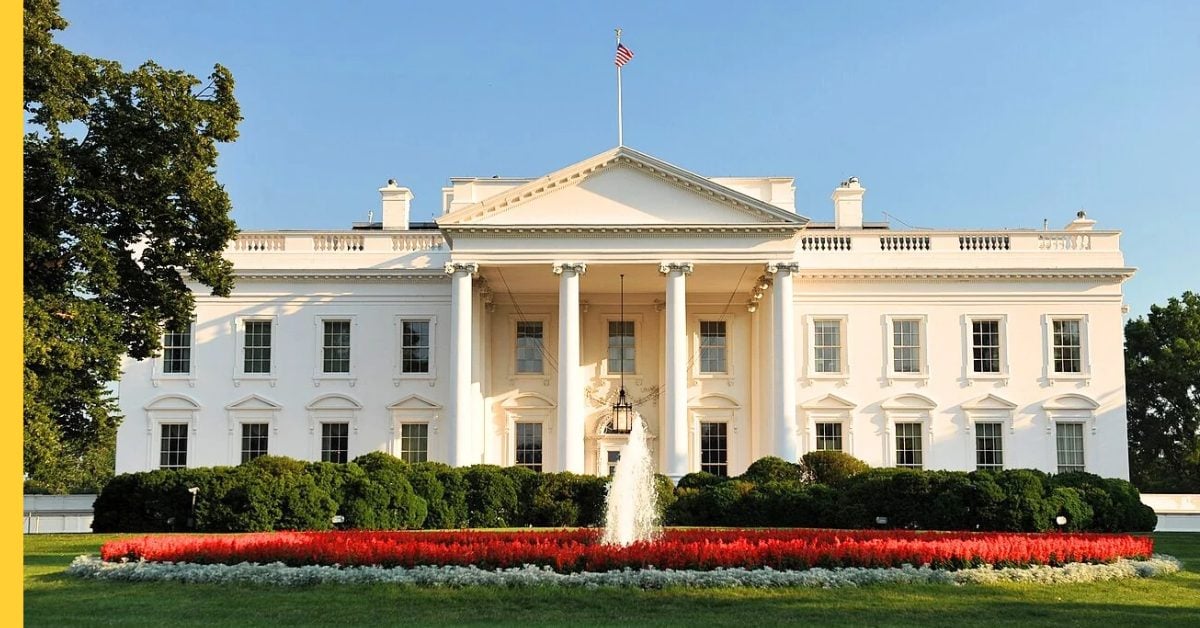
The Commodity Futures Trading Commission sent its revised Rule 40.11, which governs which event contracts exchanges can list, to the White House for final-stage review Friday, the same day Kalshi won more time to build its Maryland rehearing bid around the new rule.
The Fourth Circuit ruled 2-1 against Kalshi on Nov. 18, upholding the denial of a preliminary injunction that would have blocked Maryland from enforcing its gambling laws against the exchange’s sports event contracts.
Kalshi subsequently requested a 14-day extension to petition for rehearing, arguing that an anticipated rewrite of CFTC Rule 40.11 could materially change the legal landscape. The exchange said the forthcoming regulation “bears directly on the panel’s decision” and was expected to be finalized by early December.
The court granted the request Friday, Nov. 20, extending the deadline to Dec. 16.
Also on Friday, the CFTC submitted its final rewrite of Rule 40.11, governing public-interest determinations for event contracts, to the White House Office of Information and Regulatory Affairs (OIRA) for final-stage review. Once that review concludes, the agency can proceed toward publishing the final regulation in the Federal Register, where its provisions and effective date would be disclosed.
The final text remains unavailable, leaving open whether the changes will be published in time for Kalshi to incorporate them into its rehearing arguments.
Kalshi looks to revised rule after Maryland defeat
In his concurring opinion, Judge Roger Gregory concluded that federal derivatives law did not clearly prevent Maryland from enforcing its gambling regulations against Kalshi’s sports event contracts. He declined to decide whether the contracts qualified as swaps, instead focusing on the limits of the CFTC’s exclusive jurisdiction.
A central issue was the existing Rule 40.11, which states that federally regulated exchanges “shall not” list contracts involving gaming and several other specified activities. Gregory interpreted that language as suggesting the CFTC had already determined that gaming contracts should be excluded.
Because Kalshi’s sports contracts were allowed to remain listed without an affirmative CFTC determination, Gregory concluded that their continued trading was not enough to establish that they were protected from state gambling laws.
Gregory specifically addressed the CFTC’s June proposal to revise the regulation, including its effort to clarify how the agency determines whether event contracts are contrary to the public interest.
“Those proposals remain pending and therefore do not alter the text of Rule 40.11 presently in force,” Gregory wrote.
Kalshi now hopes the revised regulation will change that analysis. However, Gregory separately concluded that Congress had not clearly displaced Maryland’s traditional authority over gambling, an obstacle that a regulatory rewrite might not resolve.
Judge Stephanie Thacker, who agreed with the outcome but offered different reasoning, concluded that Kalshi’s sports event contracts were not swaps under federal law at all.
The CFTC has separately proposed explicitly including event contracts tied to sports, elections and other events in the definition of swaps. Comments on that proposal closed Nov. 18, but the rule has not been finalized.
What the CFTC’s revised rule could change
The CFTC first proposed rewriting Rule 40.11 in June, with the comment period closing July 27. The proposal would replace the existing regulation’s broad restrictions on contracts involving gaming with a process requiring the agency to determine whether individual contracts are contrary to the public interest.
Under the June proposal, contracts tied to overall sports outcomes, including final scores and season records, would generally be viewed more favorably than those involving player injuries, officiating decisions or individual in-game actions.
The June proposal would also clarify the consequences of CFTC inaction. Under its provisions, contracts could remain listed if the agency failed to prohibit them within the applicable review period, with the review considered concluded. The CFTC described that outcome as final agency action, potentially strengthening Kalshi’s arguments about federal regulatory authority without necessarily establishing that state gambling laws are preempted.
However, it remains unclear whether those provisions have survived in the final version submitted for White House review.