
Prediction markets generated more than $125bn in notional trading volume in October, or about $26bn in taker volume, with sportsbook-affiliated platforms gaining ground on market leader Kalshi, according to Macquarie.
In a research note shared with NEXTPredict.io, Macquarie analysts including Chad Beynon estimated sports event contracts generated $22.7bn in taker volume during October, up 668% year on year and 27% from September. Macquarie treats taker volume as its primary metric, saying it is more comparable to sportsbook handle and better reflects revenue, since exchanges earn mainly from taker fees.
Kalshi remained the largest platform, generating $16.9bn in sports volume and holding a 66% market share. However, its share slipped from a peak of 69% in August. Kalshi’s competitors accounted for more than one-third of market activity in October.
On a notional basis, NEXTPredict’s own tracking shows a similar picture. Kalshi set a $98bn October volume record, up 61.3% from September, according to TickerTracker data. Notional volume across the eight exchanges tracked reached $126.64bn. DraftKings’ DKeX, Novig and Underdog each more than doubled their volume from the previous month.
Macquarie said the figures reflected growing traction among sportsbook-affiliated platforms, as established operators look to build their presence in the prediction market sector.
“[Prediction markets] are evolving from a single-platform phenomenon into a broader ecosystem in which sportsbooks, exchanges, brokers, market makers, leagues, and infrastructure providers are all increasingly participating,” Macquarie analysts said.
DraftKings and FanDuel target trading volumes
Analysts noted how traditional sportsbook operators are increasingly looking to establish themselves in prediction markets. They flagged DraftKings and FanDuel as two of the biggest potential challengers to early market leaders.
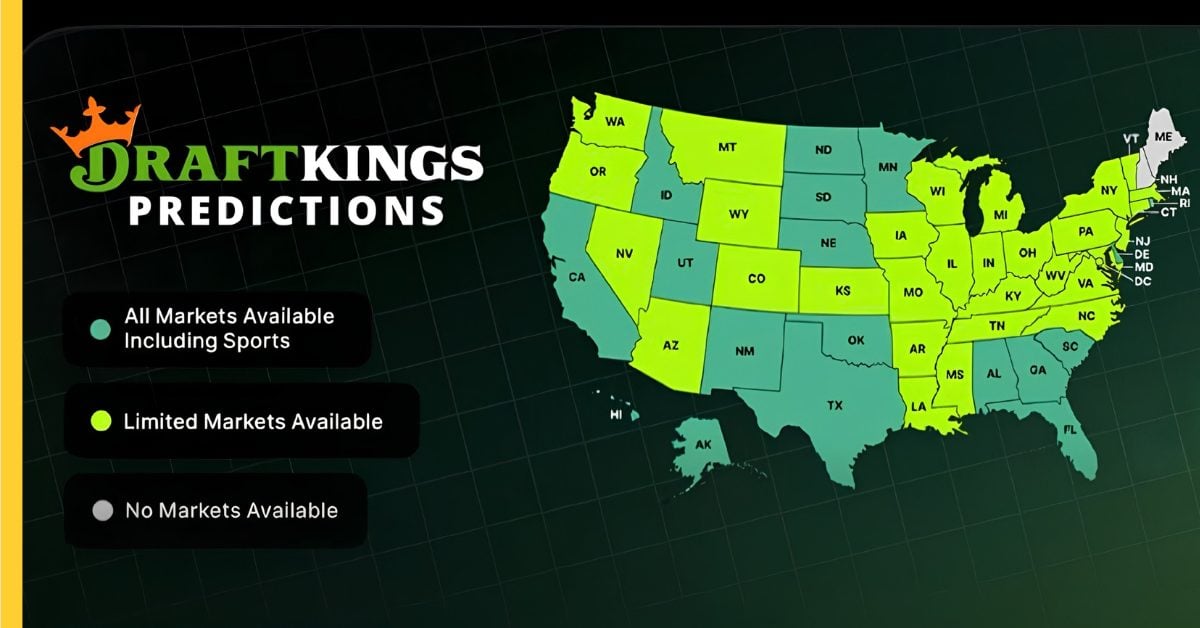
Macquarie said DraftKings Predictions generated around $842m in consumer trading volume, or taker volume, during October. Analysts said the product could reach as much as $15bn in annual volume in 2027.
With FanDuel Predicts, analysts said prediction market volume could be as high as $10.5bn next year, putting the combined notional trading volumes of the two operators potentially above $25bn.
The forecasts follow DraftKings and Flutter Entertainment, which owns FanDuel, reporting their Q3 results. Speaking on the company’s Q3 earnings call, DraftKings CEO Jason Robins said more than 1.6 million customers had engaged with its Predictions product in the year-to-date.
“The third quarter marked a pivotal moment for DraftKings, as the Predictions offering we have been building is now powering meaningful growth for our business,” Robins said.
Flutter plays down cannibalization risk from prediction markets
Macquarie analysts also addressed potential concerns that prediction markets are taking activity away from sportsbooks.
They noted how Flutter has only so far seen a “limited” impact. However, in a Q3 letter to shareholders, the group did acknowledge that the growing presence of prediction market operators was creating additional competition for customer acquisition.
“We are beginning to see an impact on our overall media costs as prediction market operators increase marketing spend,” Flutter said.
Opportunities for data providers
The research note went on to say that the growth of prediction markets is also creating opportunities for sports data and technology providers. They highlighted Genius Sports and Sportradar as having both identified the sector as an increasingly important area of business.
Genius has moved into the consumer-facing space with the launch of Prediction.com. This platform aggregates probabilities, contracts and market information across multiple exchanges. CEO Mark Locke said the company’s existing data, technology and infrastructure put it in a position to capture greater value as prediction markets expand.
Meanwhile, Sportradar CEO Carsten Koerl highlighted the contribution of prediction markets to the group’s recent performance. He referenced the sector during the company’s recent Q3 earnings call.
“Our performance was driven by strong demand for our premium content portfolio, deep data and innovative technology solutions, including further monetization of the acquired IMG ARENA rights and significant contributions from across the prediction markets landscape,” he said.
Regulatory uncertainty remains a major hurdle
Despite the sector’s rapid growth, Macquarie said regulation is the single biggest risk to its long-term forecasts.
Analysts pointed to rising scrutiny at the federal level, including the Commodity Futures Trading Commission’s (CFTC) recent warning around Kalshi’s contract self-certification procedures. Kalshi described the matter as a procedural issue involving a handful of contracts, many of which were never launched, and said it was already addressing it.
The larger fight is between the states and federal regulators. A growing number of states have moved against operators through cease-and-desist letters, lawsuits and restraining orders. In Utah, prosecutors brought criminal charges against Kalshi and its co-founders. Operators argue that, as CFTC-regulated exchanges, they answer to federal law rather than state gambling statutes. The CFTC and Department of Justice have now taken that position in court, as state lawsuits and federal intervention multiply.
How courts settle that question is likely to decide whether the sector keeps growing at the pace Macquarie expects.