
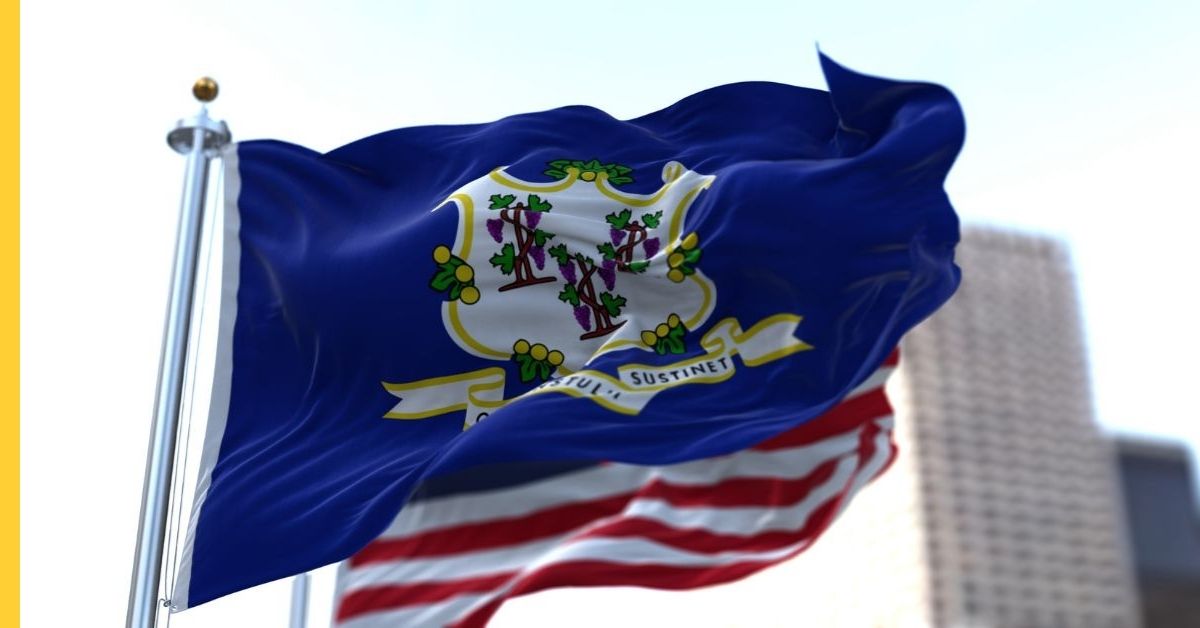
Connecticut has sued Kalshi, seeking to stop the prediction market operator from offering sports event contracts to its state residents. Attorney General William Tong announced the case with Gov. Ned Lamont and Consumer Protection Commissioner Bryan Cafferelli in a press release on Wednesday. Connecticut is asking the court to immediately shut down Kalshi’s sports contracts that it deems unlicensed wagering.
Connecticut says the sports contracts are a form of sports betting under state law, which a judge determined earlier this month. Kalshi maintains that the sports trading markets are federally regulated event contracts.
“These prediction markets put Connecticut consumers, young people, our student athletes, and those suffering from gambling addiction at serious risk,” Gov. Ned Lamont said in the press release. “They have made it clear their goal is profits over people, and that’s why we are holding them accountable.”
How we got here in Connecticut
The legal conflict in Connecticut started in December 2025 when the Department of Consumer Protection’s Gaming Division sent Kalshi a cease-and-desist order. That order also covered two other platforms and required them to stop making sports event contracts available in Connecticut. The department instructed the companies to allow Connecticut customers to withdraw money held on their platforms.
Kalshi answered with its own federal lawsuit against Connecticut officials and a judge temporarily blocked the state from enforcing its order. The CFTC-regulated exchange maintained that the contracts qualified as swaps under the Commodity Exchange Act. This, the company says, places them solely within the Commodity Futures Trading Commission’s jurisdiction.
US District Judge Vernon Oliver rejected Kalshi’s request for a preliminary injunction on August 10. He found that Kalshi’s sports contracts were not swaps under the federal statute. Oliver also concluded that federal law did not displace Connecticut’s authority to regulate sports wagering. Kalshi appealed to the Second Circuit and unsuccessfully sought emergency relief pending that appeal.
The state has now followed that win with its own lawsuit seeking to stop Kalshi’s operations outright and force it to return funds to Connecticut users.
A conflict of interests: The states vs. prediction markets fight
Connecticut’s legal online betting market began in 2021 after the state reached deals with its tribal gaming partners. Operators taking bets must follow rules on age verification, consumer protection and the technology supporting their services.
Tong said Kalshi was operating outside that framework. He also said the state’s gambling laws were intended to protect minors, protect customer funds and address problem gambling.
Twenty states have pursued Kalshi through lawsuits, cease-and-desist orders or other enforcement measures. The actions form part of a wider state campaign against prediction market operators offering sports-related contracts.
Regulators take the view that a contract based on a score, player statistic or final result is a sports bet. On that basis, they say the platforms need state licenses and must meet the safeguards imposed on sportsbooks.
The results have been mixed. Some courts have allowed state enforcement cases to proceed or required Kalshi to block users within particular states. Others have granted Kalshi preliminary relief, finding that its federal preemption argument may succeed on the merits.
Those conflicting rulings have left the legal status of sports event contracts unsettled. The cases continue to test the boundary between federal commodities regulation and state control over gambling.