
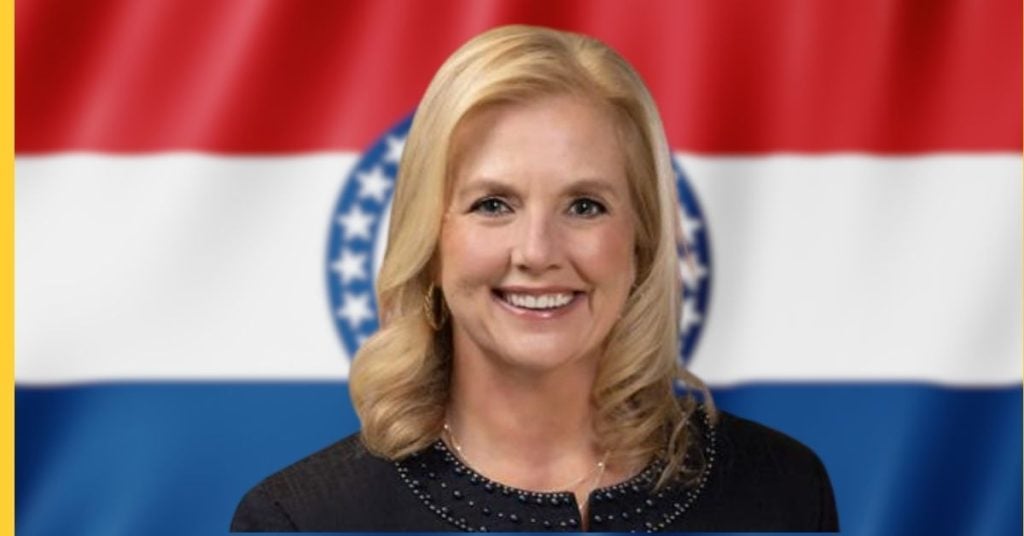
Missouri’s attorney general (AG) has ordered a handful of prediction market operators to stop offering sports-related event contracts in the state.
AG Catherine Hanaway sent separate cease-and-desist letters to Crypto.com, Kalshi, Novig, Polymarket, Underdog and Robinhood on Sept. 18. Hanaway’s office said the products are no different than sports wagering products according to state law.
“Missourians voted for a safe, well‑regulated sports wagering market that supports public education and addresses problem gambling. Companies cannot repackage sports bets as ‘event contracts’ to avoid Missouri law. We will enforce the rules voters approved and protect consumers,” she said.
The state said operators offering sports wagering must obtain Missouri Gaming Commission licenses before serving residents. Licensed sportsbooks must also follow Missouri’s age, tax and consumer-protection rules.
Missouri points to voter-approved sports betting rules
Missouri is not opposed to sports betting itself. Voters approved regulated sports betting in November 2024 by a narrow margin of 1,478,652 votes to 1,475,691. The measure authorized regulated online and retail wagering for people aged 21 and older.
Legal sports betting then launched statewide on Dec. 1 of last year. The framework imposes a 10% tax on betting revenue, with education among the intended beneficiaries. Bettors must also be physically located in Missouri to use the state-approved sportsbooks.
Hanaway said prediction markets cannot avoid those requirements by describing sports bets as event contracts. Her office also alleged that five of the six companies — Polymarket, Kalshi, Crypto.com, Underdog and Robinhood — either allow underage access or lack adequate safeguards to prevent it.
Novig, which requires users to be 21 or older, was not included in that allegation. The other five platforms allow users 18 and older to trade.
Missouri C&Ds follow growing trend
The Missouri action joins a wider state push against sports prediction markets. Nevada ordered Kalshi to stop offering event contracts in March 2025. It later issued a similar order to Crypto.com. New Jersey sent cease-and-desist letters to Kalshi and Robinhood later that month. Connecticut and other states have also taken enforcement action against sports event contracts.
Those actions have produced an aggressive legal response. Kalshi and other operators argue sports-related contracts are derivatives regulated by the Commodity Futures Trading Commission (CFTC), not state-regulated gambling products.
The resulting court decisions have not been uniform. The Third Circuit sided with Kalshi in its New Jersey dispute. The Ninth Circuit subsequently backed Nevada’s authority to regulate the company’s sports contracts. New Jersey has asked the Supreme Court to review its loss.
The CFTC has taken the operators’ side on the central federal-law question. It maintains the Commodity Exchange Act gives it exclusive authority over CFTC-regulated event-contract markets.
The agency sued Arizona, Connecticut and Illinois in April 2026 to block state enforcement. It later brought cases involving New York, Wisconsin, Minnesota, Rhode Island, New Mexico and Kentucky.
That leaves Missouri entering an already fractured legal landscape. Its policy toward conventional sports betting is clear: wagering is permitted through the licensed system voters approved.
The new orders put Missouri into the same unresolved dispute playing out across the country over where federal derivatives oversight ends and state gambling authority begins.