
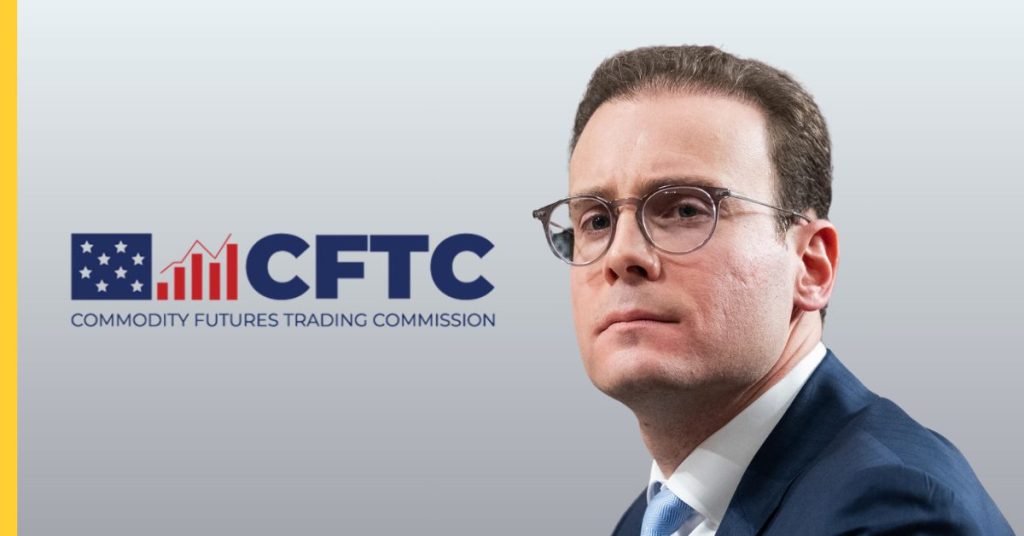
The Commodity Futures Trading Commission (CFTC) issued a notice of proposed rulemaking on Thursday, July 30, requesting feedback on changes that would impact the prediction markets space.
The 284-page proposal targets conflicts of interest at exchanges with corporate ties to their own traders. It covers derivatives clearing organizations, designated contract markets, swap execution facilities and futures commission merchants.
CFTC Chair Michael Selig said the rules aim to support innovation while bolstering market integrity. Public comments will be accepted for 60 days after the notice appears in the Federal Register.
“By setting forth principles-based regulations for vertically integrated market structures, the CFTC is taking a significant step in our continued efforts to support responsible innovation in US derivatives markets,” he said.
The proposal responds to a structural shift the Commission has watched unfold since 2023. Exchanges once operated separately from the firms trading on them. That separation has eroded.
The CFTC now counts roughly eight designated contract markets with affiliated market makers. At least six permit an affiliate to trade for its own account. The agency singled out prediction markets as the clearest example of this trend.
Operators such as Kalshi were cited by name in the filing’s footnotes.
The core concern is straightforward. An exchange that shares ownership with a trading firm has an incentive to favor that firm.
This creates problems for policing rule breaches and fair market access. To address it, the Commission proposes a general prohibition on affiliate principal trading. An exception would apply only if strict conditions are met.
How the proposed exception would work
Under the proposed exception, an affiliated market maker’s trades must be filled last at every price level when unaffiliated orders exist at the same price. Incentive programs offered to an affiliate could not be more generous than those offered to outside members.
Continuous two-sided quotes, minimum trading hours and spread limits would also be required. Breach any condition, and the company loses its right to trade on the exchange.
Separate provisions address futures commission merchants owned by the same parent as an exchange. Self-regulatory organizations would be barred from serving as the designated self-regulatory organisation (DSRO) responsible for examining an affiliated FCM’s finances.
Disclosure obligations under existing Commission Regulation 1.55 would also expand, forcing merchants to spell out affiliate relationships more clearly for customers.
For exchanges like Kalshi, the practical effect is significant. The exchange has leaned on affiliated trading firms to supply liquidity in thinly traded contracts, a practice the industry has defended as essential to launching new markets.
The proposed rules would not ban the practice outright. They would instead force these firms to subordinate their own orders to outside traders and prove their market-making terms are no better than what rivals receive.
Exchanges unwilling or unable to meet those conditions would have to cut ties with affiliated traders altogether.