
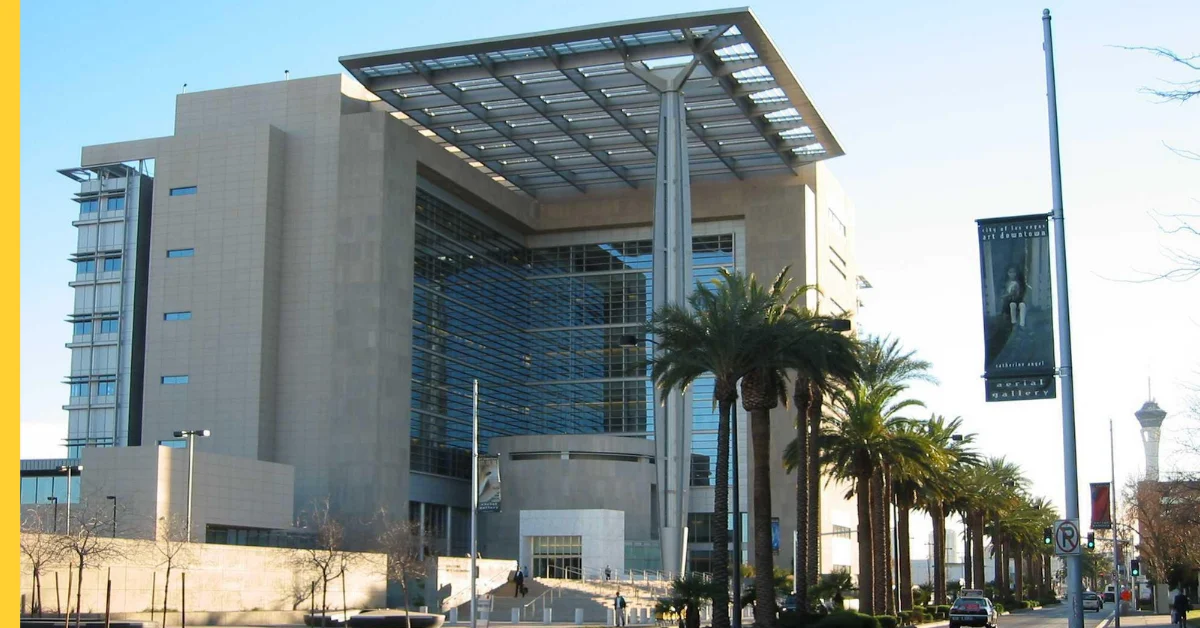
A federal judge in Nevada has returned two high-profile enforcement cases against prediction markets to state court, removing a primary legal barrier for Nevada gaming regulators seeking to block the platforms from the state.
First highlighted by gaming attorney and analyst Daniel Wallach, Judge Miranda Du of the US District Court for the District of Nevada issued orders on 2 March against Kalshi and Polymarket.
In both cases, the judge remanded civil actions to the First Judicial District Court in Carson City.
The decisions reject attempts by the companies to keep the litigation in federal court, where they have argued that federal commodities law supersedes state gambling oversight.
The rulings place Kalshi in immediate legal jeopardy within Nevada.
The Nevada Gaming Control Board is expected to file for a temporary restraining order in state court to compel Kalshi to cease providing event-based contracts to Nevada residents, and could demand mandatory geofencing.
Kalshi faces a similar injunction in Massachusetts, although the Massachusetts Appeals Court has stayed the order.
Kalshi has consistently argued that its contracts are swaps regulated exclusively by the Commodity Futures Trading Commission, and maintained that state-level bans interfere with a federal regulatory framework.
Wallach noted that following the remand, Kalshi may file an emergency application with the US Supreme Court seeking a stay to prevent the state court from halting its operations while it continues to challenge Nevada’s authority.
Polymarket loses fight over jurisdiction
Judge Du also rejected a specific jurisdictional argument from Polymarket. The company had claimed it was acting as a federal officer when it removed its case to federal court, a designation that can sometimes grant defendants a federal forum.
The judge dismissed this characterisation, finding no basis for the company to claim such status.
Polymarket was already subject to a state court temporary restraining order issued in late January, which remained in effect during the brief period the case sat in federal court.
The Nevada Gaming Control Board contends that prediction markets offering contracts on the outcome of sporting events or elections are conducting unlicensed gambling.
Regulators argue these platforms lack the consumer protections required of licensed sportsbooks, such as age verification and safeguards against insider wagering.
The legal conflict in Nevada is part of a broader dispute taking place nationwide over the classification of prediction markets.
While a federal court in Tennessee recently sided with Kalshi by granting a preliminary injunction against state regulators, courts in Maryland and Massachusetts have supported state authority.
The Commodity Futures Trading Commission has supported the platforms, arguing that state-by-state regulation would fragment the derivatives market.