
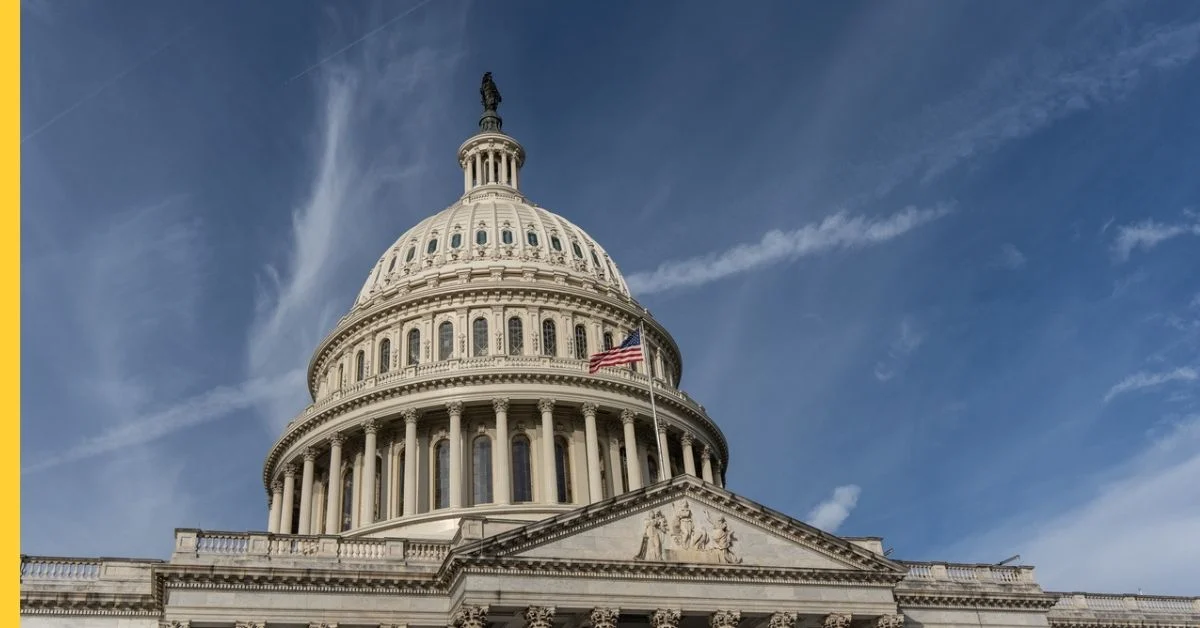
A group of American legislators has written to the Commodity Futures Trading Commission (CFTC) to address growing concerns about insider trading and contracts based on political events.
In a letter sent to CFTC chairman Michael Selig on 6 April, seven members of Congress contended that the fast-paced development and “Wild West” nature of prediction markets has created a trail of poor regulatory oversight.
This is the second time lawmakers have targeted the CFTC over its prediction markets stance this year, following a similar letter from six senators in February.
They highlighted that recent trades associated with critical government decisions, such as those related to the activities of US forces abroad, have caused growing concern about the use of insider information by traders.
They further argued that certain event contracts appear to conflict with existing US law.
Current CFTC regulations prohibit contracts tied to activities such as terrorism, assassination, or war, yet lawmakers suggested that similar offerings continue to circulate, particularly through platforms operating outside US jurisdiction.
Suspiciously clairvoyant bets on Polymarket, including under the infamous “Magamyman” profile, netted millions right before the 2026 US-Israeli strikes on Iran.
These well-timed windfalls fuelled allegations of insider trading by government officials, turning prediction markets into a “war profiteering” scandal.
One of the letter’s signatories, Congressman Jim McGovern, said: “There is something deeply sick about turning war into a gambling opportunity. We’re talking about people betting on bombings, bloodshed, and military action as if human lives are just numbers on a screen.
“These are not harmless wagers. They raise serious moral and legal concerns, especially when people may be trading on inside information about US military operations. The CFTC needs to enforce the law and bring real oversight to these markets.”
The letter points out the power of the Commission under the Commodity Exchange Act, where the CFTC may exercise its rules on foreign dealings if they are substantially impacting the country’s commercial environment.
It also points out the powers granted to the regulator to deal with market manipulation and insider trading in swaps marketplaces.
Prediction markets susceptible to “morally obscene” swaps
The seven congressional members who jointly signed the letter raised questions on why there had not been any noticeable enforcement measures, especially concerning deals linked to military affairs.
They described such contracts as “morally obscene”, and said they reflected a system that is unable to cope with market developments.
The inquiry includes a series of detailed questions directed at the CFTC. These focus on the agency’s interpretation of its authority, its enforcement capacity, and whether it has engaged with prediction market operators about potentially prohibited contracts.
Additional questions probe whether the Commission believes it has sufficient statutory tools to address insider trading in these markets and whether it has identified any conflicts of interest involving major participants and government officials.
A deadline for responses has been set for 15 April, indicating an attempt to achieve more clarity regarding the methodology employed by the regulator.
This decision indicates the existence of an underlying dilemma confronting regulators in light of the increasing popularity of prediction markets, where financial investment, betting and information exchange converge.
It is also part of a wider effort by Congressman Seth Moulton to tighten oversight around prediction markets. Just days earlier, he criticised a Polymarket listing that let users wager on the fate of US airmen downed in Iran, which the platform later took down.
Around the same time, Moulton said he had introduced a rule barring his congressional staff from participating in prediction markets, a move thought to be the first of its kind on Capitol Hill.