
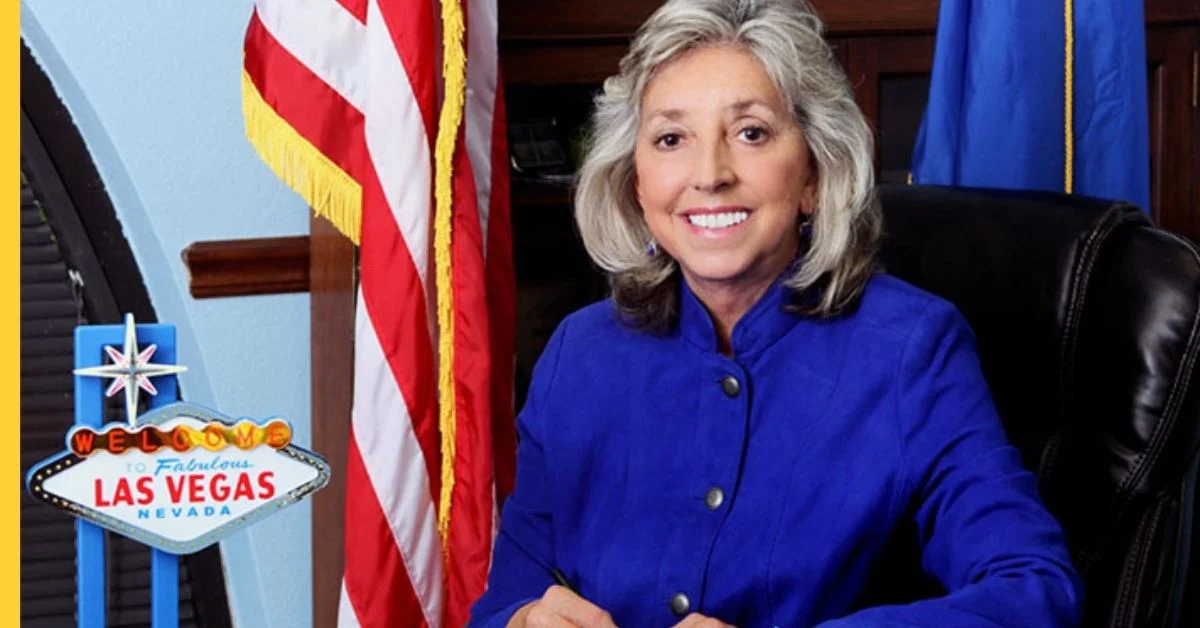
Nevada Rep. Dina Titus has introduced the Fair Markets and Sports Integrity Act, to prevent prediction markets from facilitating wagers on sporting and casino-style events.
The federal bill is meant to address a loophole where online platforms use event contracts to sell financial instruments that replicate sports betting or gaming but evade state regulations.
Under the plan, any dealings involving contracts based on the outcome of professional or amateur sports would be prohibited.
By labelling the activities as gaming and not financial derivatives, the bill seeks to hold those who engage in the practice to the same standards as sportsbooks.
The move comes as platforms like Kalshi and Polymarket have rapidly expanded their offerings beyond political and economic forecasting.
These exchanges argue that their products are swaps regulated by the Commodity Futures Trading Commission (CFTC).
However, the new bill asserts that such contracts often circumvent state laws, including those in jurisdictions where sports wagering remains prohibited.
It argues that even through the established legal federal framework offered by the CFTC, there is a lack of necessary safeguards to protect against predatory practices and maintain the integrity of athletic competitions.
The act would require prediction markets to comply with state-level licensing and age verification protocols.
The bill will likely face scrutiny from the financial technology sector, which has advocated for a unified federal oversight model rather than a 50-state regulatory patchwork.
The response to the initiative has been mixed. Some responded to Rep. Titus’ tweet saying that she needed to spend more time focusing on the erroneous math in the One Big Beautiful Bill.
Others, including former New Jersey Governor Chris Christie, praised the effort.
Christie, a main figure behind the demise of PASPA, called it “common sense” and the necessary protection of “consumers and the rights of the states”.
Insider trading still an issue
While not explicitly addressed by Rep. Titus, the bill could also help curb what some consider rampant insider trading on prediction markets.
Following recent remarks by Polymarket CEO that insider trading could be “healthy,” Kalshi tried to distance itself and asserted that it has measures in place to prevent the activity.
Kalshi processed more than $1bn in transactions on 9 February during Super Bowl LX, a new record and a 2,700% rise from last year according to the business. This monumental achievement comes as the legal sports betting market in the US was projected to take wagers worth around $1.76bn on the event.
Kalshi ranked alongside Peacock, which broadcast the game, and NBC in App Store downloads that day, Kalshi co-founder and CEO Tarek Mansour said.
However, the number could have been even higher. Heavy traffic delayed some customer deposits, Mansour added in an interview on CNBC’s Squawk Box this week.
One point of concern amid this growth was a lack of controls. The platform offered contracts on game plays and cultural moments, including a market on which song Bad Bunny would perform first, which generated more than $100m in volume.
No way to prevent insider trading
Much of the Squawk Box discussion centred on insider trading. Hosts Becky Quick and Andrew Ross Sorkin questioned how a market can prevent abuse when outcomes may be known in advance by performers, executives or others close to an event.
They cited examples such as a dancer, manager or cameraman practicing for the show with knowledge of a Super Bowl set list, or a corporate executive aware of remarks before an earnings call.
Mansour reiterated previous comments that Kalshi applies the same surveillance framework as regulated exchanges. The company verifies customer identities, monitors trading for unusual patterns, and investigates suspicious activity.
Trades based on material non-public information are prohibited, he said, and violations can lead to fines or referral to the Commodity Futures Trading Commission.
However, Mansour acknowledged that defining what constitutes material non-public information in event contracts remains complex.
The CFTC is considering additional rulemaking to clarify how insider trading standards apply to prediction markets.
In the meantime, despite Kalshi’s claim to the contrary, there are limited safeguards preventing someone from using available information from any source to make trades.